%203.avif)

What to Expect After Lymphatic Drainage Massage: A Complete After-Care Guide

Most people know what happens during a lymphatic drainage massage. What tends to catch them off guard is what happens after.
The session itself is calm - lighter pressure than a deep tissue massage, rhythmic and deliberate strokes, nothing that should cause significant discomfort. But in the hours and days that follow, the body is actively working. Lymph fluid that was mobilised during the session is moving toward the lymph nodes, being filtered, and eventually eliminated. That process has physical symptoms - some expected, some less so.
You might feel unusually tired. Thirsty. You may need to urinate more often than usual. You might also notice your jaw looks more defined, your skin looks clearer, or an area that usually holds fluid feels noticeably lighter. Sometimes all of this happens in the same afternoon.
This guide walks through what to expect after lymphatic drainage massage - from the immediate aftermath through to the changes that build across a full course - so nothing surprises you and you're set up to support the process properly.
During the Session: What the Treatment Actually Feels Like
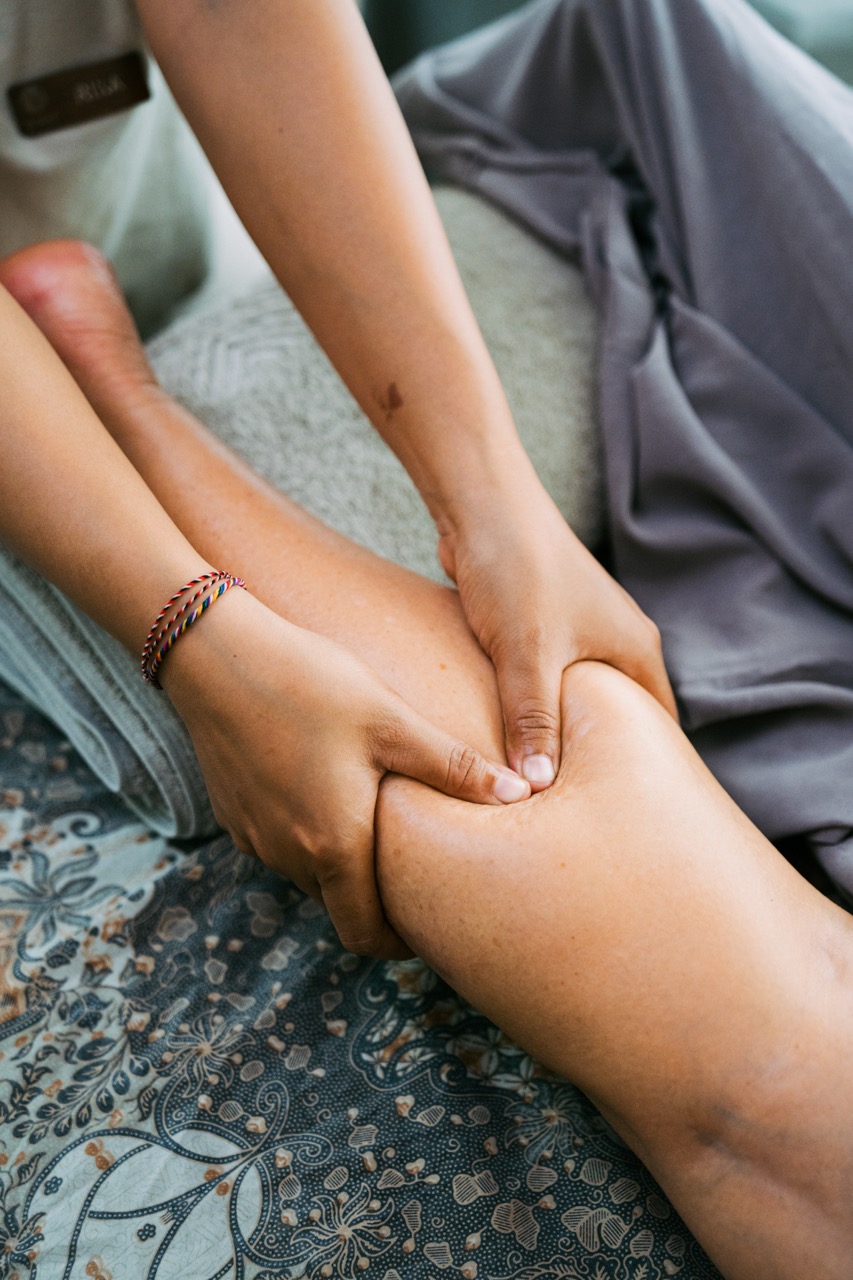
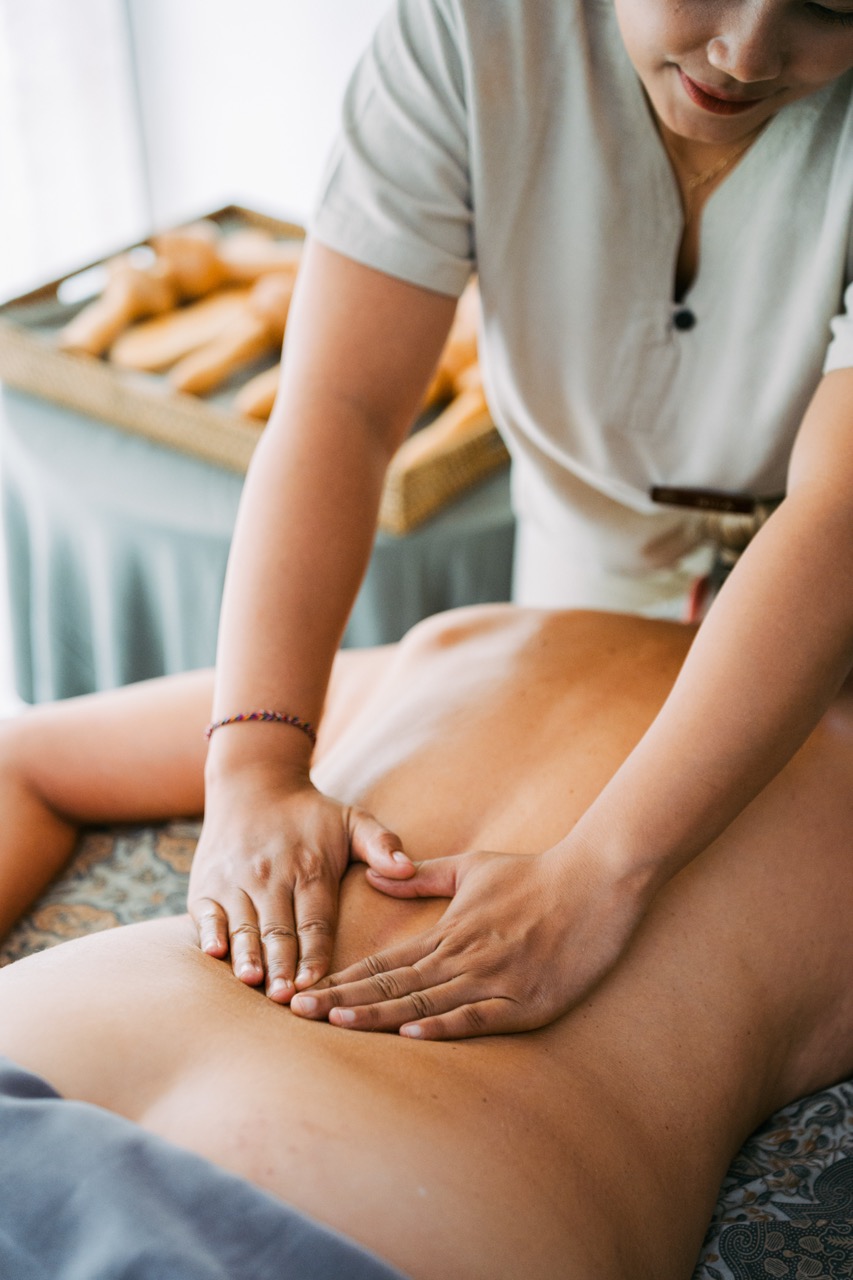
Lymphatic drainage massage uses lighter pressure than most bodywork. Lymph vessels sit very close to the surface of the skin and respond to gentle, directional movement rather than deep, compressive force. The feeling is often described as flowing or wave-like, following the direction of lymph drainage toward the nearest node clusters.
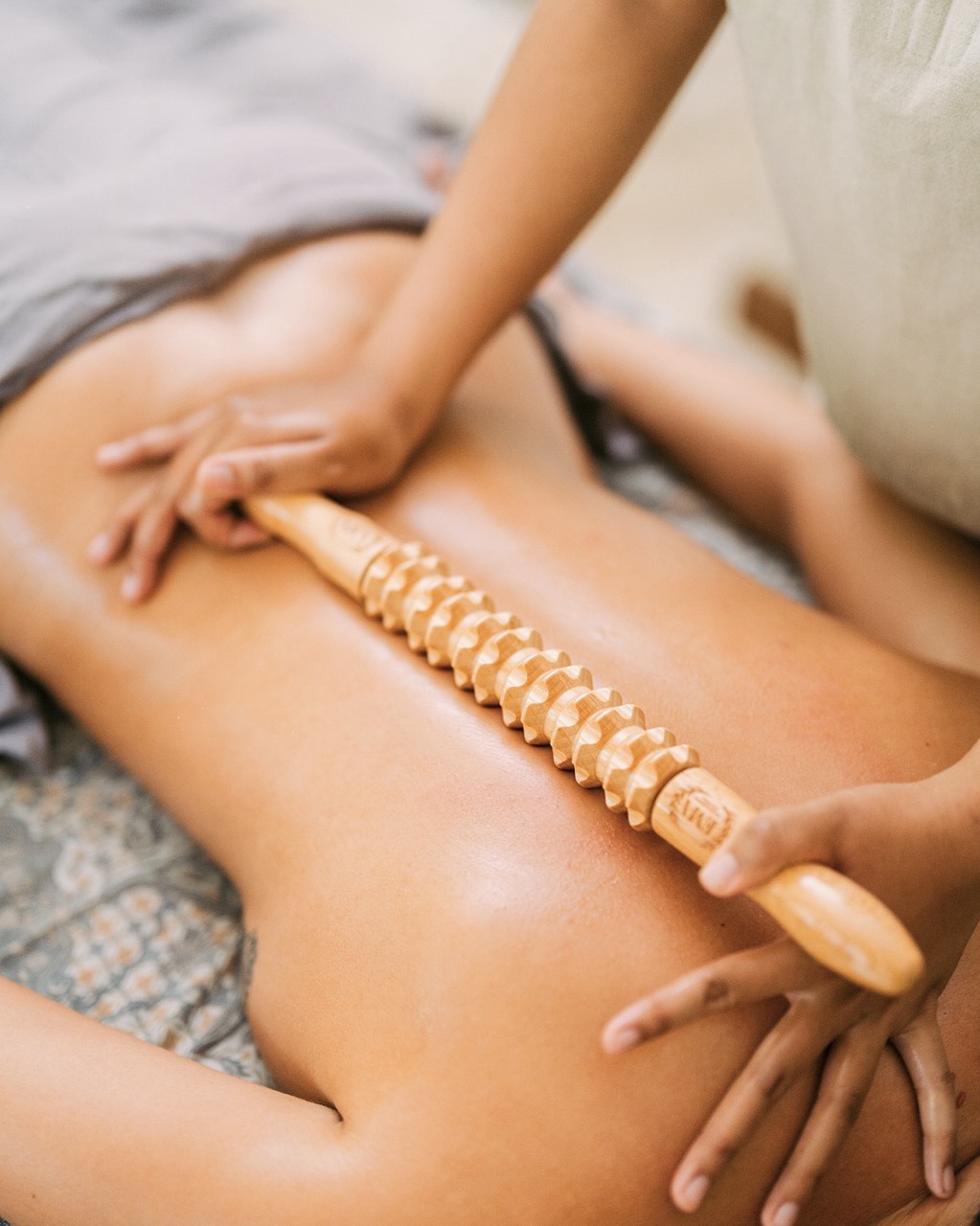
In maderotherapy - the approach used at Nomads Haus - EMA-certified wooden tools apply contoured, directional pressure that follows the lymphatic anatomy with greater precision than hands alone. For body sculpting treatments, firmer roller techniques work the connective tissue and muscle, which is deeper than the pure lymphatic strokes.
What the session should never feel like is painful. Firm and focused, yes - but if something hurts during a lymphatic drainage session, the pressure is wrong for that area. Good technique works clearly without crossing into discomfort.
The First Few Hours After Your Session
This is the period where most people notice the clearest responses - and where some surprises tend to happen.
A sense of deep calm or mild fatigue. Lymphatic drainage activates the parasympathetic nervous system. The body shifts into rest-and-digest mode during and after the treatment. It's completely normal to feel unusually settled, a little sleepy, or simply quiet in the hours after a session. Plan for a lighter afternoon if you can.
Increased urination. This is one of the most consistent responses, and it's a reliable sign the treatment worked. As mobilised lymph fluid moves through the lymph nodes and into the bloodstream, it eventually reaches the kidneys for filtration. More fluid moving through the system means more output in the hours after. This normalises within a few hours and requires no concern.
Visible reduction in puffiness. Many people see an immediate change in the treated area. Facial lymphatic drainage in particular tends to produce a visible shift - a more defined jaw, clearer undereye area, or a more lifted overall appearance - that can be seen within an hour of the session. Body treatments may show a similar visible lightness in the legs, abdomen, or other treated areas.
Mild pinkness or warmth where work was done. Improved circulation temporarily increases blood flow to the treated tissue. Some redness or warmth in the skin is normal and typically resolves within an hour.
Increased thirst. Drink water. Not as an afterthought - actively. The body is processing and eliminating fluid, and hydration directly supports that. This is not the time for coffee or alcohol. Water is what the process needs.
What you should not feel in the immediate period after the session: sharp pain, significant bruising, or worsening of any existing swelling. If any of these occur, let your therapist know before you leave.
The Following 24-48 Hours
The day or two after lymphatic drainage is when people tend to have the most questions - and sometimes the most reassurance is needed.
Mild tiredness that carries into the next morning. Some people feel more energised after treatment. Others notice tiredness arriving a few hours later and lingering into the following day. Both are normal. The body continues processing through the night. If you're tired, rest is the right response - not pushing through.
Mild diffuse tenderness in worked areas. For body sculpting treatments and sports massage variants of lymphatic drainage, deeper pressure is applied to connective tissue and muscle layers. A mild, diffuse ache - similar to what you might feel the day after a workout - can appear the next morning. This is the tissue responding to the work, not a sign that anything went wrong. It should pass within 24-48 hours.
Visible results becoming clearer. The initial circulation response of the session often settles into something more defined by the next morning. Many clients find the morning after a session is when they see the clearest immediate result - reduced puffiness in the face, legs that feel less heavy, a body that moves more fluidly.
Possible mild headache. Almost always a sign of inadequate hydration. Drink more water. Lymphatic massage mobilises fluid and metabolic waste - if you're dehydrated, the body struggles to eliminate what's been stirred up, and the result is often a dull headache. Prevention is straightforward: drink water in the hours after your session.
Occasional temporary skin breakouts. Some people, particularly after their first session or after facial lymphatic drainage, experience a short-lived breakout in the treated area. This happens because the treatment has moved debris that was sitting stagnant in the tissue - and as it clears through the skin, it can temporarily show up as congestion. It typically resolves within 3-5 days and becomes less common with subsequent sessions as the skin becomes used to the increased circulation.
What Changes Across a Full Course of Sessions
A single session produces real results. But the question most clients have after the first treatment - did it work? will it last? - points to something important: a single session and a course of sessions are two different things.
Here is what the progression typically looks like when sessions are spaced correctly, at 3-4 days apart:
Sessions 1-2. Visible but temporary results. Reduced puffiness, lighter feeling, improved skin clarity. The body responds clearly, but returns toward its baseline between sessions. This is normal - and it's the foundation the course builds on.
Sessions 3-4. Cumulative change begins to hold. Results last longer between sessions. The lymphatic system is working more efficiently. The visible improvements from sessions 1-2 start to persist rather than fade completely before the next appointment.
Sessions 5-6. Lasting visible change in the target areas. The body no longer returns to the same baseline between sessions. Skin tone is more consistently even, body contour is more defined, fluid retention is reduced at the baseline level - not just for a day after treatment.
This progression is why the recommendation at Nomads Haus is a minimum of 5-6 sessions for lasting results. The 3, 6, and 9-session packages are structured around exactly this protocol, with up to 20% savings on the multi-session bundles. Book a session here.
What Is Not Normal After Lymphatic Drainage
Knowing what to expect also means knowing when something falls outside the normal response range.
Significant bruising. A well-performed lymphatic drainage massage should not cause bruising. The technique, even in its deeper body sculpting applications, is not the kind of work that should leave marks. If you're bruising after sessions, discuss it with your therapist before continuing.
Pain during the session. There is a clear difference between firm, focused pressure - which can feel intense but should never cross into pain - and actual discomfort. Lymphatic drainage should not hurt. If it does, the technique needs adjustment.
Swelling that worsens or doesn't resolve. Post-session puffiness that resolves within a few hours is within the normal range. Swelling that worsens, spreads, or persists beyond 48 hours is not a normal treatment response and should be assessed by a medical professional.
Fever or flu-like symptoms following treatment. Rare, but occasionally people experience this if a lymphatic massage is done when they were already unwell or beginning to get sick. If this happens, pause your sessions and recover fully before continuing.
At Nomads Haus, all Madero Therapy treatments are performed by practitioners trained in EMA-certified technique - Bali's only EMA-certified maderotherapy spa. The certification standards cover technique, tool quality, and practitioner training, which directly affects the safety and consistency of what you experience.
After-Care: What to Do to Support the Process
What you do in the hours after lymphatic drainage affects how much you get from the session. A few simple choices make a meaningful difference.
Drink water - and keep drinking it. This is the single most important thing you can do after a session. Aim for at least 500ml in the first hour or two after treatment, and keep hydration high through the rest of the day. The lymphatic process happening after your session depends on it.
Avoid alcohol for 24 hours. Alcohol is a diuretic and an inflammatory compound - it directly interferes with the elimination process underway after lymphatic drainage. Saving it for the following day is worth it.
Keep meals light and easy to digest after your session. Heavy digestion draws resources away from the lymphatic processing happening post-treatment. A light meal or snack is a better choice than a large dinner in the hours immediately after.
Rest if your body asks for it. The tiredness some people feel after treatment is real and purposeful. If you're tired, sit down. Sleep earlier than usual. The body does its best processing work when it isn't competing with physical or mental demands.
Wear loose, comfortable clothing on treated areas. For body lymphatic drainage treatments in particular, tight clothing on worked areas can compress the lymph vessels you've just spent a session opening up. Loose, breathable fabric in the hours after treatment is the better option.
Remove piercings before your next session. In worked areas - face, neck, abdomen, wherever the treatment will be applied - piercings should come out beforehand. Worth noting now so it doesn't slow you down at your next appointment.
The Bigger Picture
After lymphatic drainage, the work doesn't stop when you leave the treatment room. The session is the stimulus. The processing is what follows - and how you support that processing in the hours and days after determines how much of the potential result you actually get.
Tiredness is normal. Thirst is normal. Increased urination is normal. Mild tenderness is normal. Visible improvement - in your skin, your contour, the way your body feels - is the goal, and for most people it shows up clearly.
The progression from temporary single-session results to lasting change happens across a course of treatments. Most clients notice the shift most clearly in the cumulative effect: the improvement that stays between sessions, the new baseline that keeps getting better.
At Nomads Haus, treatments are available at all four Bali locations daily from 11am to 8pm. If you're ready to start, book a session here. If you want to understand the treatment itself before you arrive, the treatments page has the full details.
Related Reading