
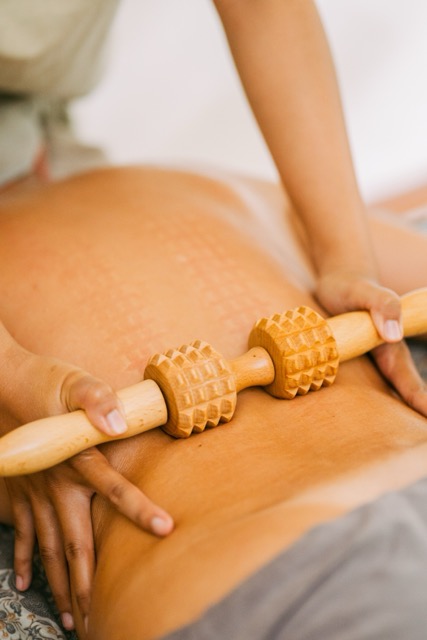

Wood Therapy Before and After: Real Results You Can Expect

Scroll social media long enough and you'll find dozens of dramatic wood therapy before-and-after photos promising an instantly sculpted, cellulite-free body after one session. The reality is a bit more grounded — and a lot more useful to know before you book. Wood therapy (also called maderotherapy) can produce real, visible changes, but what you see and how fast you see it depends on your body type, how consistent you are with sessions, and what you do between them.
This guide walks through what actually changes after wood therapy, a realistic timeline from your first session to the two-month mark, how many sessions most people need, and what you can do to get the most out of your results. If you're deciding whether to book, this is the honest version.
What Changes Can You Actually See After Wood Therapy?
Wood therapy works through firm, targeted massage with wooden tools that manipulate fat, fascia, and lymphatic fluid just beneath the skin. Here's what clients typically notice, in roughly the order it tends to show up:
- Reduced appearance of cellulite. The dimpling and uneven texture often associated with cellulite tends to smooth out as circulation improves and fascia loosens.
- Inch and circumference loss in treated areas. Much of this early change is water and fluid movement rather than fat loss, though continued sessions can support gradual fat breakdown over time.
- Firmer, smoother skin texture. Many clients describe their skin as feeling tighter and looking more even after a course of sessions.
- Reduced puffiness and water retention. This comes from the lymphatic drainage effect of the massage, which helps move excess fluid out of tissue.
It's worth being upfront about what wood therapy does not do: it isn't a weight-loss treatment, and it's not a substitute for medical fat-removal procedures like liposuction. Think of it as a body-sculpting and wellness treatment that supports the results you're already working toward, not a stand-alone fix. For more on the mechanism, see What Is Wood Therapy Massage?.
Wood Therapy Before and After Timeline
First Session (Day 1)
Most people notice some initial swelling reduction right after their first session, along with a "tighter" sensation in the treated area. Light redness or tenderness is common and usually settles within a day, similar to how skin reacts after a deep-tissue massage.
2–3 Weeks In
With consistent sessions during this window, early improvements in skin texture start to become noticeable — skin often looks and feels smoother, even if contour changes aren't dramatic yet.
6–10 Sessions
This is typically the point where most people start to see visible cellulite reduction and contour changes. It's also where the cumulative effect of lymphatic drainage and fascia work becomes more apparent than any single session.
6–8 Week Mark
Optimal, more cumulative results tend to show up around this stage — especially when sessions are paired with good hydration and regular movement. Some practitioners recommend extending to 10–12 sessions for more stubborn areas, like the outer thighs or lower abdomen, where fat and fascia tend to be denser.
How Many Sessions Do You Need for Visible Results?
Frequency and consistency matter more than any single "power session." A typical plan looks like this:
- Starting frequency: 2–3 sessions per week initially
- Common course for sculpting or cellulite goals: 5–6 sessions spaced 3–4 days apart
- Maintenance: 1–2 sessions per month once you've reached your desired results
What Affects Your Before-and-After Results
No two clients see identical results, and that's normal. A few factors that shape what you'll actually experience:
- Body type and starting point. Clients starting with more visible cellulite or fluid retention often see more dramatic before-and-after contrast.
- Hydration levels. Drinking water before and after sessions supports the lymphatic drainage effect and helps flush released fluid.
- Consistency. Skipping sessions or spacing them too far apart slows progress and can reset some of the gains.
- Diet and activity level between sessions. A generally active, balanced routine supports and extends results.
- Treated area. The abdomen, thighs, arms, and back all respond a little differently depending on tissue density and fascia structure. The abdomen and thighs, for instance, tend to show visible change faster than areas with less fascia to work with, like the arms.
Clients often describe their experience in similar terms after a six-session course: not an overnight transformation, but a noticeable difference in firmness by session five, along with less end-of-day puffiness. That kind of steady, cumulative change is far more typical than the instant results shown in some social media posts.
Realistic Expectations — What the Research Says
Here's the honest part: wood therapy isn't clinically proven as a cure for cellulite, and most of its measurable effects — reduced swelling, better circulation, temporary inch loss — are largely lymphatic and circulatory rather than permanent fat reduction. There's no large-scale clinical research confirming that manual wood massage breaks down fat cells the way some marketing suggests. What's better documented is the massage's effect on circulation and lymphatic flow, both of which can genuinely reduce puffiness and improve skin texture in the short term.
Results tend to be real but also somewhat temporary without maintenance, which is why a consistent session plan matters more than a one-off treatment. Clients who see the most lasting change tend to be the ones who treat it as an ongoing part of their routine rather than a quick fix before an event.
We'd rather set that expectation clearly than oversell it. At Nomads Haus, we treat wood therapy as a relaxing, natural-feeling complement to a broader wellness routine — not a guaranteed medical outcome. If a provider promises permanent, dramatic transformation from a single session, that's a red flag worth questioning. Setting realistic expectations upfront is part of what separates a trustworthy spa experience from an overhyped one.
How to Maximize Your Wood Therapy Results
A few simple habits make a real difference in what you see:
- Drink water before and after sessions to support lymphatic flushing.
- Stick to your recommended session plan rather than spacing sessions out irregularly.
- Pair sessions with light movement or exercise, like walking or yoga, to support circulation.
- Avoid alcohol and heavy, sodium-rich meals right before a session, since both contribute to water retention.
- Book monthly maintenance sessions once you've reached your goal to help hold results.
For a deeper look at what wood therapy can do for your body over time, read Wood Therapy Massage Benefits and 7 Maderotherapy Benefits for the cellulite and sculpting angle specifically.
FAQs
How long do wood therapy results last? Results vary, but many clients report that visible changes last several weeks to a few months with proper hydration and activity. Monthly maintenance sessions help extend and preserve results.
Is wood therapy painful before results show? Most clients describe wood therapy as a firm, deep-pressure massage rather than painful — similar to a deep-tissue treatment. Some tenderness or light redness in the first day or two is common, especially in the first few sessions.
Can one session show visible results? A single session can reduce puffiness and create a temporary tighter, smoother feel, but visible contour and cellulite changes typically take several sessions to develop.
How does wood therapy compare to cavitation or lymphatic drainage massage? Wood therapy uses manual wooden tools to work fascia and stimulate lymphatic drainage, while cavitation uses ultrasound technology targeted more specifically at fat cells. Lymphatic drainage massage focuses primarily on fluid movement with a gentler touch. Wood therapy sits somewhere in between — firmer than lymphatic drainage, but non-technological compared to cavitation.
Is wood therapy safe for all body types? Wood therapy is generally safe for most body types, though it's worth discussing your health history with your therapist beforehand, particularly if you have circulatory conditions, are pregnant, or have any skin sensitivities in the treatment area.
Ready to See Your Own Before and After?
The best way to know what wood therapy can do for your body is to start a session plan tailored to your goals. Book a session or course at Nomads Haus in Ubud, Uluwatu, or Pererenan and track your own progress from day one. Check out our Treatments & Prices or head straight to Booking to get started.


%20Medium.jpeg)