
What Is Balinese Massage? Techniques, Benefits and What a Session Feels Like

You have seen it on every spa menu on the island, usually at the top, usually with no explanation. Balinese massage is the default treatment in Bali, and almost nobody tells you what it actually involves before you lie down.
We run four spas in Bali and give this massage every day. Here is the plain version.
Quick answer: Balinese massage is a full-body oil massage that combines acupressure, skin rolling, kneading, gentle stretching and reflexology. The therapist works with palms, thumbs and forearms, using warm oil on bare skin. It is firmer than most people expect, covers the whole body in one session, and needs no recovery time.
What Is Balinese Massage?
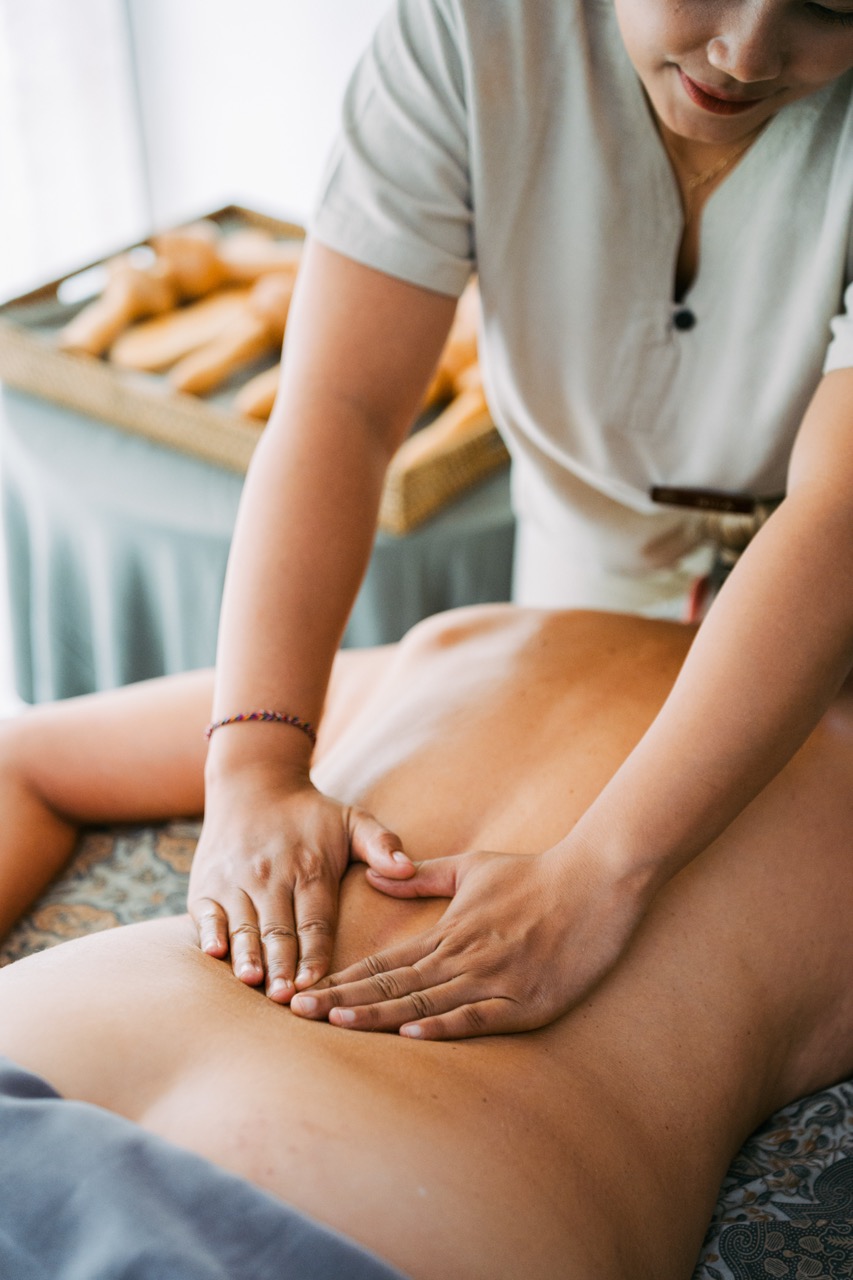
Balinese massage is a full-body treatment that mixes several massage techniques into one continuous session, worked with warm oil directly on the skin.
That mix is the defining feature. A Swedish massage is mostly long gliding strokes. A Thai massage is mostly assisted stretching. Balinese massage borrows from several traditions at once, which is why two Balinese massages at two different spas can feel noticeably different.
You lie on a table, undressed to your comfort level, covered with a towel or sarong. The therapist uncovers one area at a time and works from your feet upward, ending at your head and shoulders.
The five techniques in a Balinese massage
Most Balinese massages draw on five techniques. A good therapist moves between them rather than working through them as a checklist.
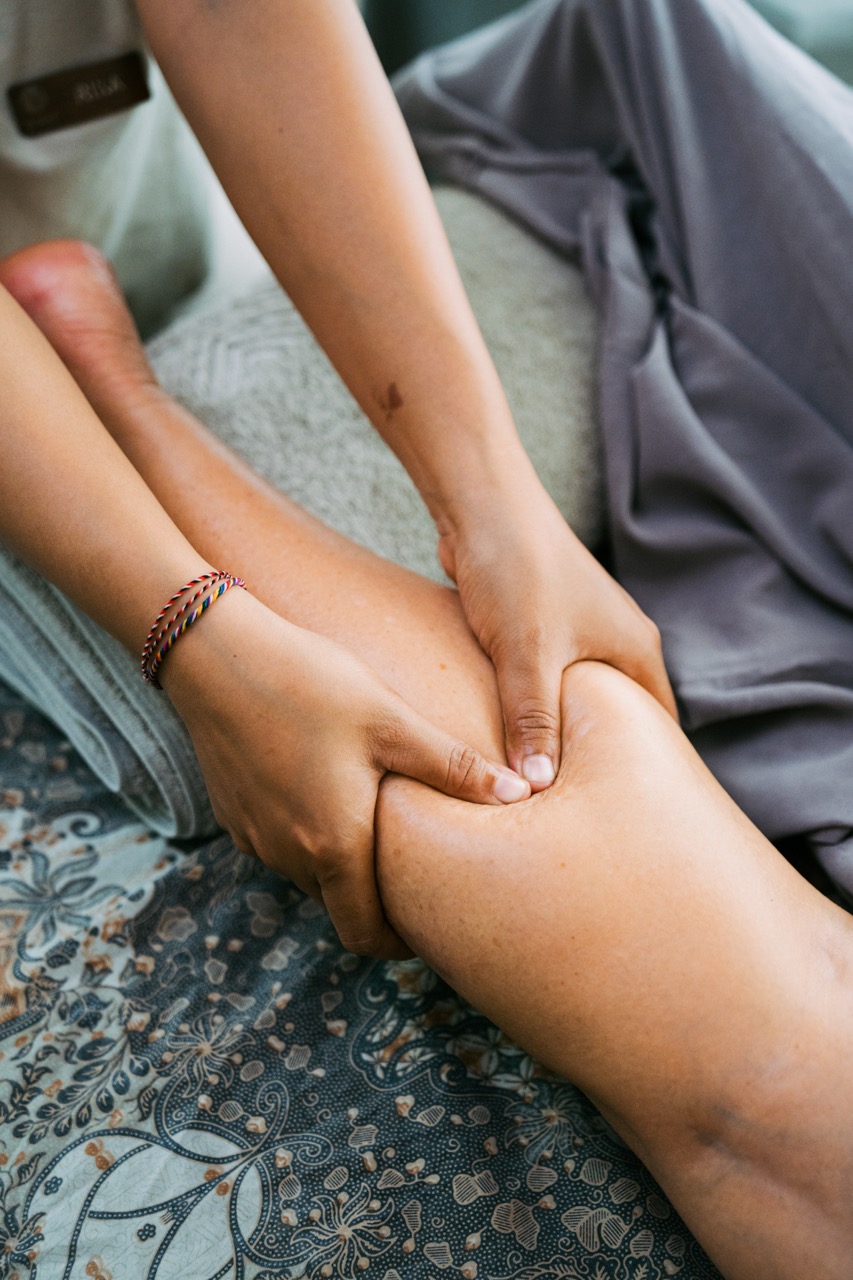
- Acupressure - firm, held pressure on specific points, usually with thumbs. This is the part that finds knots.
- Skin rolling - the therapist lifts and rolls a fold of skin between the fingers, which warms the tissue underneath.
- Kneading - squeezing and compressing muscle the way you would knead dough, used on larger muscles like the thighs and shoulders.
- Gentle stretching - your arm, leg or shoulder is moved through its range of motion for you. Passive stretching means you do nothing; the therapist moves the limb.
- Reflexology - focused pressure on the feet and hands.
Not every spa uses all five, and no two therapists sequence them the same way. If you want to see how a specific menu is built, the fastest thing to do is read the classic and traditional massage menu rather than guess from the name.
Why the oil matters
The warm oil is not a nice extra. It is what allows the long gliding strokes to happen at all, and without it half the techniques above would drag on dry skin.
Most spas in Bali scent the oil with local botanicals such as frangipani, coconut or lemongrass. You choose, or the spa chooses for you.
One practical thing nobody mentions: you will leave oily. Oil stays in your hair and on your skin unless you shower afterwards. Plan the rest of your afternoon accordingly.
Where Balinese Massage Comes From — and What It Isn't
Balinese massage developed on an island that sat on trade routes for centuries, and it shows. The acupressure and reflexology elements echo Chinese practice. The stretching echoes Indian and Southeast Asian bodywork. It is a blend, not a single lineage.
Here is the part travel writing usually gets wrong. Bali has a separate, living system of traditional medicine called usada, practised by healers known as balian who work from palm-leaf manuscripts. It is a real medical tradition, and it is taken seriously — usada is recognised in Bali provincial regulation, where Bali's provincial government formally recognised it as an official health service through Regulation No. 55 of 2019 and Regional Regulation No. 6 of 2020.
The Balinese massage on a spa menu is not usada. It is a spa treatment that grew up alongside a healing tradition, borrowing some of its vocabulary.
We think that is worth saying clearly. A very good hour of bodywork does not need to be sold as an ancient healing ritual, and the tradition it borrows from deserves better than being used as a tagline.
What a Balinese Massage Feels Like
Most people booking their first one want to know three things: what comes off, whether it hurts, and how they will feel afterwards.
Here is the whole session, start to finish.
Before your session
You undress to your comfort level. Underwear usually stays on, and you are covered with a towel or sarong the entire time except for the area being worked.
Arrive ten minutes early and skip a heavy meal beforehand. Lying face down on a full stomach is unpleasant.
Say what you need before the massage starts, not halfway through. Injuries, recent surgery, a shoulder that has been bothering you, areas you would rather were left alone — all of it is easier to work around when the therapist knows at the start.
During: does Balinese massage hurt?
It should not hurt. It is firmer than most people expect, and firm is not the same as painful.
The acupressure on a tight shoulder or a knotted calf is the part people notice. It can be intense for a few seconds and then eases. The stretching can feel strange the first time simply because someone else is moving your arm for you.
Pressure is adjustable, and asking for less is completely normal. If you are gritting your teeth, the massage is too hard — say so in the moment rather than enduring it and deciding afterwards that Balinese massage isn't for you. A therapist who does not check in on pressure is not doing the job properly.
Afterwards
Drink water. Expect to feel loose, warm and slightly sleepy for an hour or two.
Mild soreness the next day is normal after any firm massage, in the same way that a good stretch can leave you aware of muscles you had forgotten about. It should be mild, and it should pass.
Don't book a surf lesson for straight afterwards. The massage works better if you let it.
What Balinese Massage Is Good For
Relaxation and stress relief are what Balinese massage is reliably good for. That is not a small thing, and it is the honest headline.
For muscle and back pain, there is real clinical footing. The American College of Physicians guideline from 2017 names massage among the nonpharmacologic options clinicians and patients should select first for acute or subacute low back pain, on low-quality evidence. That last phrase matters, and we are not going to hide it — the recommendation is strong, the evidence behind it is thin.
The other common claims — better circulation, improved sleep, "detox" — are where spa marketing tends to outrun the research. Massage may help with a range of things, but that is different from saying it treats them.
There is also a timing problem worth naming. A 2014 review of nine studies covering 404 participants found massage improved pain, anxiety and depression in people with fibromyalgia only when continued for at least five weeks — and found no effect on sleep.
Read that as a useful warning rather than a discouragement. A single massage on holiday is a genuinely good hour. It is not a treatment plan, and anyone selling it as one is overpromising.
Balinese Massage vs Other Styles on the Menu
The question most people are really asking is not "what is Balinese massage" but "which of these five should I book."
Here is the honest comparison, including our own Madero treatments.
If your goal is to feel good and unwind, book the Balinese. If your goal is one seized-up shoulder, book deep tissue.
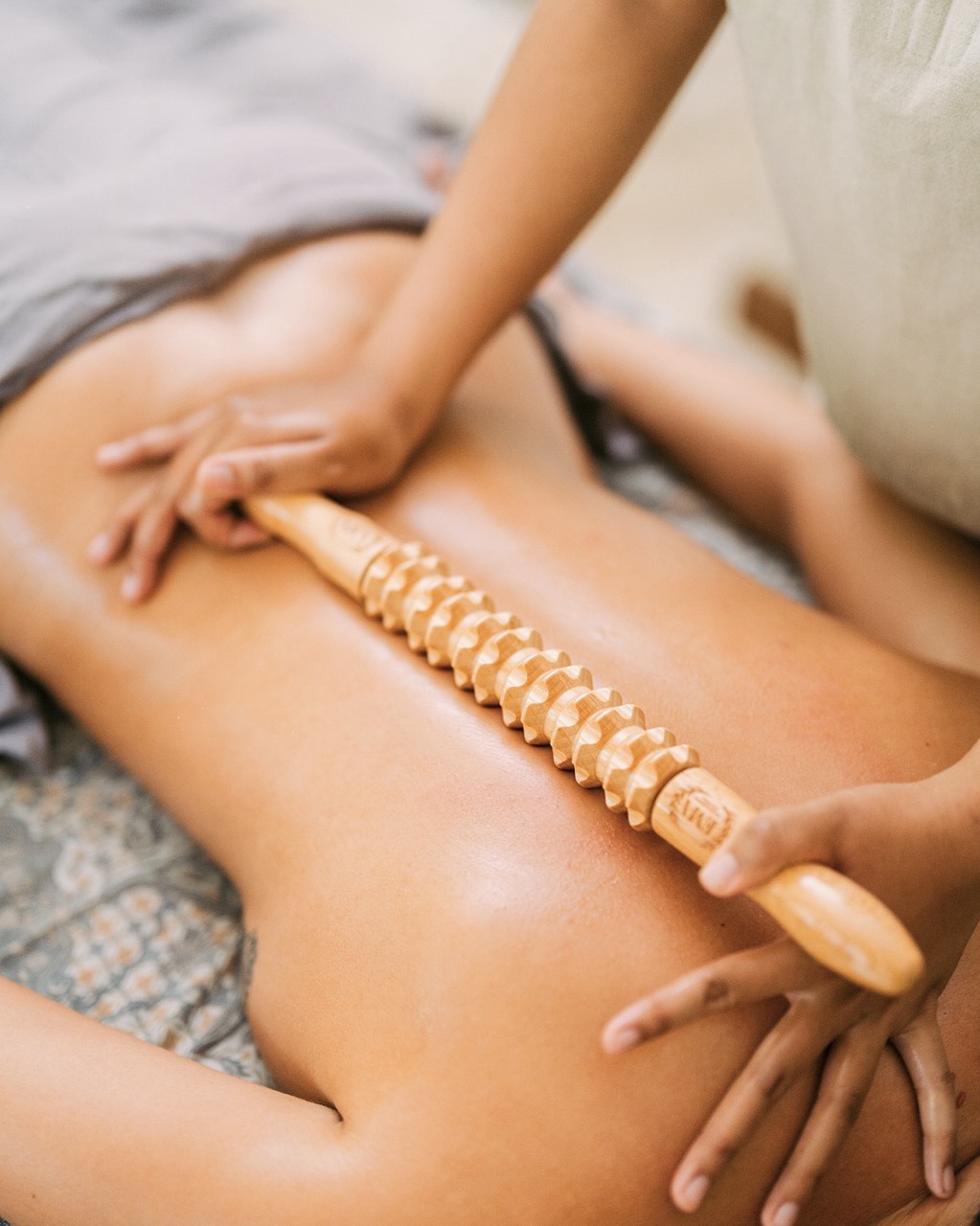
If your goal is body contouring, Balinese massage is the wrong treatment and we would rather tell you now. That is what Madero is for, and it is a different thing entirely — we have wood therapy massage explained in full, and the Madero body treatments sit in their own part of the menu. Madero also works on a course of sessions rather than a single visit, so it suits a resident better than a three-day trip.
Who Should Check Before Booking
Massage is a low-risk treatment in the right hands. The US National Center for Complementary and Integrative Health states that massage therapy appears to carry few risks when used appropriately and given by a trained massage professional.
That said, tell the spa — or your doctor — before booking if any of these apply to you:
- Pregnancy - many spas will not give a standard massage in the first trimester, and prenatal work is a separate specialism.
- Recent surgery or injury - anything still healing should be worked around, or left alone entirely.
- Fever or infection - reschedule. Massage is not helpful when you are actively unwell.
- Skin infections, rashes or open wounds - the affected area should not be massaged.
- Blood-clotting conditions or blood thinners - firm pressure can cause bruising more easily.
- Severe varicose veins - pressure over the affected veins should be avoided.
This is general guidance for firm massage, not a list specific to any one treatment. Our Madero treatments have their own published contraindications, which you can read alongside how Madero Therapy works.
When in doubt, ask before you book rather than after you are on the table.
How to Choose a Balinese Massage in Bali
Bali has thousands of places offering Balinese massage, at wildly different prices, and price tells you very little. Here is what actually separates a good one.
- Someone asks about your health first. A spa that puts you straight on the table without a single question is skipping the most basic step.
- Trained therapists, named as such. Ask what training the therapists have. A spa that trains its staff will tell you happily.
- Linen changed between guests. Fresh towels, fresh sheet, every time. This is visible if you look.
- Pressure gets checked during the session. Not just at the start.
- A published menu with real prices. If the price appears only after the massage, walk.
- Reviews that mention therapists, not just the decor. The building is not giving you the massage.
The same logic applies across every treatment, and we have written a pre-booking checklist that goes through it in more detail.
For what it is worth: we are Bali's EMA-certified Madero spa, which is a Madero credential rather than a Balinese massage one — but it is the reason our therapists are trained to a written external standard rather than to whatever the last person taught them.
"We've tried the traditional Balinese massage as well. Everything was calm and relaxing…" — Melis I., Nomads Haus
Ready to book? Book a session →
Balinese Massage FAQ
Do you wear clothes during a Balinese massage?
No — Balinese massage is done with oil on bare skin, though underwear usually stays on and you are covered with a towel or sarong except for the area being worked.
Is Balinese massage the same as Thai massage?
No. Thai massage is done on a mat with your clothes on and is built around assisted stretching, while Balinese massage is done on a table with oil and combines several techniques.
How often should you get a Balinese massage?
As often as you like — it is a relaxation treatment with no set protocol, though research on massage for pain suggests benefits build over weeks of repeat sessions rather than after one.
Is Balinese massage full body?
Yes. A standard session covers feet, legs, back, arms, shoulders and usually the head and neck, with one area uncovered at a time.
Is Balinese massage good for back pain?
It may help with general muscle tension, and massage is recommended as an early option for acute low back pain — but if your back pain is persistent or severe, see a doctor rather than a spa.
Related Reading
- Wood therapy massage explained - the full guide to Madero, if body contouring is what you were actually looking for.
- A pre-booking checklist - what to check before you book any treatment in Bali.
- How Madero Therapy works - the standard our therapists are certified to, and the published contraindications.